
What TPAs need to know about modernizing their platform
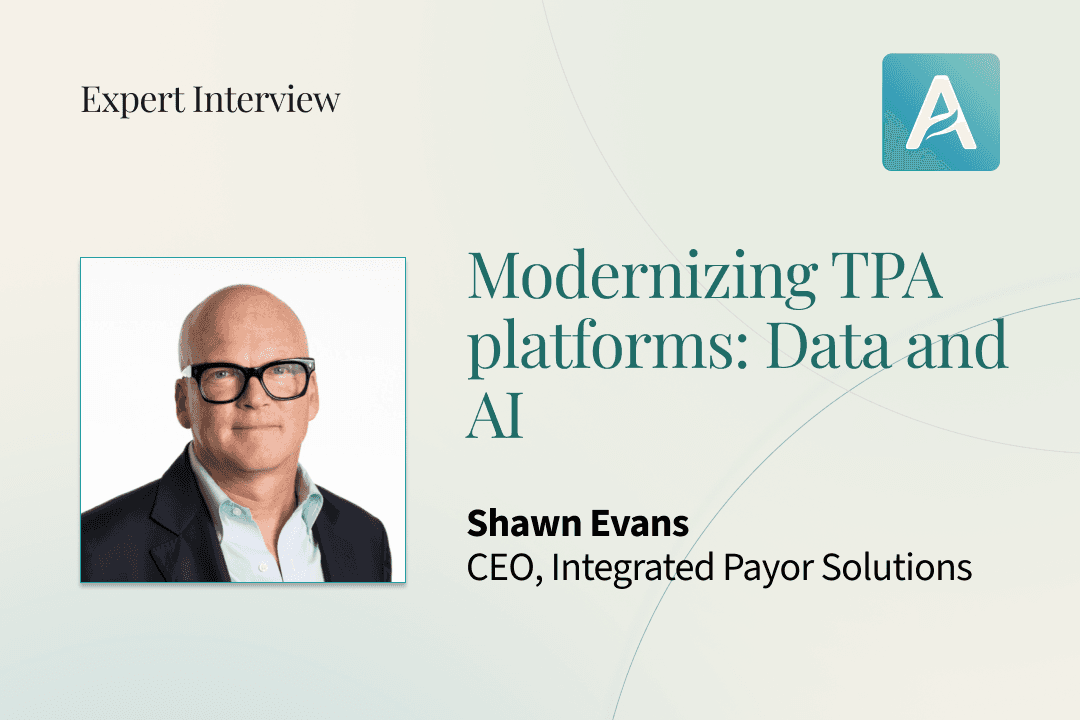
With the advent of AI and the proliferation of different, innovative plan designs, many TPAs have realized their technology needs to evolve. However, this can be an overwhelming task and few even know where to start. We sat down with Shawn Evans, CEO of Integrated Payor Solutions, to talk about what modernization really looks like. He is a veteran of the self-funded healthcare industry and IPS is a transformational cloud-based TPA platform, so he is a leading expert on the topic.
Start with security, scalability, and flexibility.
Most TPAs would rather get a root canal than upgrade their platform. Shawn has heard exactly that, face to face. But for those ready to move, he outlined three priority dimensions on which to evaluate potential solutions. Security first: any TPA doing business with brokers, stop loss carriers, or networks of real size will face rigorous technology reviews. Next is scalability. If the goal is to double or triple on a short timeline, landing on a system near its limits means replatforming again later, and the math doesn't work. Finally, flexibility. Technology, expectations, and regulations are shifting on a near-annual basis. TPAs need partners who have built systems that can adapt, even if nobody knows exactly what this space looks like in three years.
The real barrier to migration is data.
The biggest misconception is that migration is primarily a technology problem. Shawn says the real challenge is data quality. In one current migration, his team spent six weeks going back and forth on a single enrollment file because the legacy system was full of dead records. You can't just transfer that into a new platform and expect it to work. Fortunately, the migration offers a good prompt for TPAs and their partners (such as IPS) to go through the rigorous exercise of cleaning the data to prevent issues from proliferating.
AI is the future, but only with the right foundation.
Shawn is clear that AI will have a massive effect on this industry, but again, the data has to be clean first. Through combined effort, IPS clients can expect to resolve most of their data problems within a year after migrating onto IPS's platform. Once that foundation is solid, the door opens to agentic AI. TPA workflows are full of repetitive tasks a well-trained agent can handle today. But AI won't solve every problem. What it will do is let TPAs triage effectively, so their best claims processors can focus on the cases a computer can't figure out.
Bottom line
At Amera, these themes resonate with what we see every day. We believe the best way to ensure clean data is to structure it well at the point of ingestion, so downstream systems, migrations, and integrations don't inherit years of accumulated mess. We are building the tools to ensure that no matter what tech stack you use, your data gets better over time, not worse.
This post is part of an ongoing series where we speak with leaders across self-insurance. We're grateful to Shawn for his time and expertise. More conversations to come!
About Amera: Amera automates claims processing workflows for health insurance plan administrators. We convert messy, non-standard claim inputs into structured data and automate downstream workflows, reducing admin cost and enabling cheaper plan designs. TPAs use Amera to run their mailrooms, route claims, intake member submissions, and automate stop-loss reporting.
Download the high-resolution PDF of our TPA Ecosystem Map